




(Advertencia: algunas imágenes y contenidos pueden herir la sensibilidad).
Qué queremos hacer
Nuestra campaña va destinada a la producción de un teaser (una pieza corta de lo que será nuestra futura película) donde se presenten las ideas narrativas y estéticas desde las que queremos abordar la historia.
Con este teaser podremos diseñar una estrategia para conseguir fondos y financiar la futura película.
Comenzamos con una cantidad modesta. Si superáramos esa cifra, podríamos plantearnos comenzar a filmar para la producción, que se plantea en un principio como un mediometraje.
Cómo queremos hacerlo
Nuestra película cuenta la historia del que fue llamado el Negro de Banyoles, un cuerpo disecado de un joven africano que fue expuesto públicamente en distintas ciudades de Francia y Cataluña durante mas de 180 años (te damos los detalles de esta historia más adelante en el texto). Queremos abordar la historia de este cuerpo -desde que fuera robado en el África colonial hasta la repatriación a su tierra originaria- a través de una fábula, un cuento que nos permita ir más allá de la crudeza de los hechos. Este formato nos permitirá encajar los principales datos de la historia y desplegar su imaginario a través de imágenes, archivos y testimonios.
En Cataluña es bien conocida la tradición de los Capgrossos (cabezudos en castellano). Son máscaras que ocupan toda la cabeza y que representan personajes populares que desfilan y bailan por las calles en las fiestas mayores de cada pueblo.
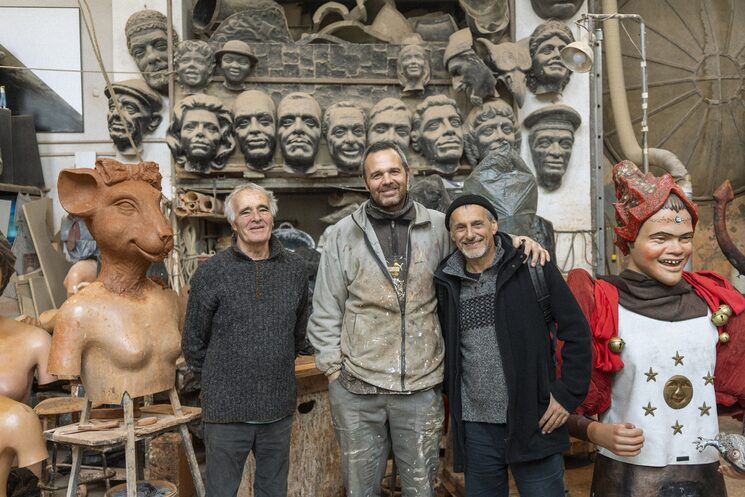

A principios de los años 90 el cuerpo disecado del joven africano permanecía expuesto en un Museo de la localidad catalana de Banyoles. Llevaba allí mas de 70 años y se había convertido en un personaje popular del pueblo. Un grupo de teatro local construyó un Capgrós que representaba al Negro de Banyoles para incorporarlo al desfile de personajes de la ciudad. Pero fué también por estas fechas que, gracias a la denuncia del Dr. haitiano Alfonse Arcelín, se desató una gran polémica por la exposición de estos restos humanos. Entonces se decidió retirar este Capgros del desfile y guardarlo en los almacenes del Ayuntamiento.
Nuestra idea es reconstruir esta máscara para resignificarla y dotar de vida a través de ella, al personaje de esta fábula. El Capgrós, convertido en nuestro protagonista, nos irá guiando por algunos de los hitos de la historia, atravesando un paisaje fantástico en su viaje de vuelta hacia un origen imaginario.
¿A qué dedicaremos vuestras aportaciones?.
Destinaremos los fondos recabados a construir la máscara y a rodar algunos pasajes de la película en Andalucía y Cataluña: concretamente, en un taller de artesanos de Capgrossos en las inmediaciones de Banyoles y algunas localizaciones en ambas regiones.

Con vuestras aportaciones queremos también seguir entrevistando a las personas que estuvieron involucradas en la historia, especialmente aquellos que estuvieron cerca del Dr. Arcelín en su lucha por la repatriacióin de los restos (os lo contamos más abajo en el texto). De esta manera podremos continuar enriqueciendo el guion, dotándolo del valor añadido que supone escuchar a personas afines a la historia, así como seguir investigando y recopilando la documentación existente sobre el tema. Dependiendo del éxito de esta colecta podríamos también comprar los derechos de algunos materiales de archivo para incluirlos en esta primera fase de la producción.

Recompensas
Es cierto que este es un crowdfunding poco ususal, ya que no pedimos vuestras aportaciones para un producto terminado, sino para dar un empujón a un proyecto que debido a su temática y a otras circunstancias está teniendo muchas dificultades para despegar.
A cambio de vuestras aportaciones os podemos ofrecer visionados de algunos de los materiales que hemos montado hasta ahora, manteneros informados del desarrollo del proyecto y por supuesto aparecer en los créditos finales cuando nuestra película se haga realidad. La idea es daros acceso a una plataforma donde podáis estar al tanto de cómo avanza la producción. También organizaremos un encuentro On Line para la presentación del proyecto. Podéis ver las distintas posibilidades en las recompensas.
La historia de nuestra película
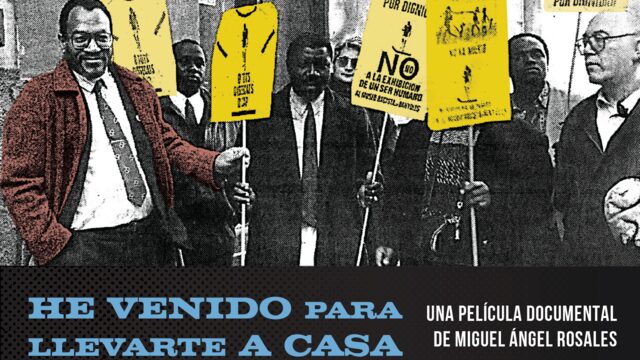
Quizás algunos os acordáis de aquella polémica que surgió en 1991, un año antes de la organización de las Olimpiadas y la Expo 92 de Sevilla. Un doctor haitiano, Alfonse Arcelín, afincado desde hacía años en Cataluña, denunció ante algunas organizaciones internacionales, la exposición de un ser humano disecado en un museo de Historia Natural. Más tarde, cuando empezó a aparecer más información en los medios, conocimos que se trataba de un joven africano de la Región del Cabo, perteneciente seguramente a la nación Khoisan, vulgarmente conocidos como bosquimanos. Su tumba había sido profanada en 1830 por unos taxidermistas franceses y su cadáver robado para, con técnicas de taxidermia, ser expuesto en distintas exposiciones en Francia e Inglaterra.

En 1880, coincidiendo con la Exposición Universal, el cuerpo disecado llegó a Barcelona de la mano del Dr. Darder que lo incorporó a los fondos de su museo personal, situado entonces en el Passeig de Grácia. Más tarde en 1916 toda su colección sería donada por el propio Darder a la localidad de Banyoles donde los restos del joven africano quedarían expuestos al público los siguientes 80 años. La grotesca figura estaba encerrada en una urna, ataviada con un escudo y un lanza y era visitada frecuentemente por colegios e institutos.

El Dr. Alfonse Arcelín dejaría su vida en el empeño de repatriar los restos de este joven a su tierra natal en África: Conseguiría el apoyo de la UNESCO, de la OUA o del propio Kofi Annan y estuvo cerca de conseguir el boicot de algunos atletas a los Juegos Olímpicos de Barcelona. Pero aún así lo tuvo muy difícil. Por un lado, su reivindicación no sería entendida por la sociedad española que no lograba ver en aquella exposición un muestra brutal de racismo. Por otro, Banyoles se cerró en banda a cualquier retirada del museo y se volcó en defender al que consideraban como “su negro”, mostrando una insensibilidad y un racismo difíciles de entender.

En el año 2000 Alfonse Arcelín consiguió repatriar los restos a Bostwana donde fueron recibidos con un funeral de Estado. Esta fue la primera repatriación de unos restos humanos, usurpados durante el colonialismo, al continente africano. Pero la victoria de Arcelín fue amarga y tuvo que pagar un alto precio por ello.

El caso del Negro de Banyoles sirvió para enfrentar a los españoles con su propio racismo y recorrer un camino necesario que llevaba a una reflexión sobre nuestra propia historia y nuestro futuro como una sociedad diversa. Toda la lucha de Arcelín, desde 1991 hasta el año 2000, cuando el cuerpo es repatriado a Bostwana, coincide con la llegada de los primeros migrantes racializados desde Latino-América y África a los barrios de las ciudades españolas y con la organización de los primeros movimientos antirracistas y de defensa de derechos de los migrantes. También con el primer asesinato por motivos raciales reconocido por un tribunal en el Estado español: el de la ciudadana dominicana Lucrecia Pérez.
El equipo
● Miguel Ángel Rosales: Director
Ha escrito y dirigido varios cortometrajes como Luz en los Márgenes (2013), Atrapados al Vuelo (2012) y La Maroma (2010). Su primer largometraje Gurumbé. Canciones de tu Memoria Negra ha sido seleccionado y premiado en el Sao Paulo Fest., SEMINCI, Fest. Cine Latino de Minneapolis o Film Africa UK, entre otros.

Hace ya cuatro años que comencé a investigar la historia del que fuera conocido como el Negro de Banyoles para una película documental. La idea es un poco una consecuencia de mi primer film Gurumbé. Canciones de tu Memoria Negra, donde trataba la presencia afrodescendiente en España y su desconocido legado a la cultura española y andaluza. Pero también de un racismo que subyacía en la historia y la sociedad española.
Hasta hoy hemos recopilado mucho material de archivo sobre esta historia y hemos grabado ya una buena parte de lo que será en un futuro nuestra película.

● David G. López de la Osa: Montaje
El montaje es una de sus pasiones más persistentes -hasta ahora, 20 años de oficio-. Ha desarrollado esta labor en películas documentales relacionadas con la experiencia migratoria: Bolingo. El bosque del amor (2016), la espera de los olvidados: Barzaj (2019), o modernas formas de esclavitud: Las Alturas (2021), todas ellas dirigidas por Alejandro Salgado y producidas por La Maleta Films.
Las injusticias pasan y -a veces- se olvidan, pero no por ello dejan de serlo. Episodios como este del hombre de Banyoles nos están hablando de nuestro pasado colonial, pero también de toda la violencia simbólica que ha permeado en nuestra forma de decodificar la realidad. Cuando Miguel Ángel empezó a compartir conmigo la documentación de este proyecto, una frase del Dr. Arcelin se clavó en mi cerebro: 'Es una verdadera ignominia que el cuerpo disecado de un ser humano esté expuesto en un museo en el año 1992'.
● Alejandro Salgado: Dirección de arte
Licenciado en Comunicación Audiovisual y en Historia del Arte por la Universidad de Sevilla. Cursa estudios de arte y guion cinematográfico en Florencia y Barcelona.
Algunas de sus películas hasta la fecha son Barzaj (2019), Las alturas (2022) o Claros de bosque (en preproducción).
La primera vez que supe de esta historia fue cuando entre a una sesión de trabajo de David y Miguel Angel. En la pantalla de edición aparecía un grupo de escolares a finales de los 80 o principios de los 90 que contemplaban con cierta naturalidad a un hombre de raza negra disecado dentro de una vitrina.
Por edad, yo podía ser uno de esos niños...
● Yinka Esi Graves: Danza
Artista bien conocida en el ámbito flamenco y contemporáneo, su trabajo explora los vínculos entre el flamenco y las formas contemporáneas arraigadas en la diáspora africana.
Tras una larga trayectoria en el flamenco, Clay (2016), con la coreógrafa Asha Thomas, marcó el inicio de un enfoque más investigador y experimental en su creación. Su primer trabajo en solitario, The Disappearing Act (2023), ha girado por festivales internacionales como el Festival Flamenco de Nimes, El Grec, Festival DÁvignon, La Batie, FIT de Cádiz entre otros.
Yinka será la encargada de darle vida a nuestro personaje protagonista.
En honor a la persona cuyo cuerpo fue violentamente utilizado para satisfacer las visiones coloniales sobre los afrodescendientes, así como a la lucha del Dr. Arcelin por la justicia, en relación con este cuerpo violado, me alegra poder colaborar en este proyecto. También dice mucho el hecho de que hasta el día de hoy haya sido tan difícil conseguir financiación para hacer esta película. Revelar cómo una sociedad puede normalizar continuamente la deshumanización de las personas negras, de cualquier ser humano en realidad, es relevante para todos nosotros.

● Natalia de Ancos: Producción y Documentación
Licenciada en Historia del Arte, productora e investigadora de documentales. Ha participado en diversos documentales como: La Búsqueda, de Mariano Agudo y Daniel Lagares. Bidasoa y Zuloak y Next Music Station de Fermin Muguruza para Talka Records y Al Jazeera Documentary Channel.
Recuerdo con bastante claridad el tema del “negre de Banyoles”. En especial me impactó muchísimo la poca sensibilidad de parte del pueblo que convirtió al cuerpo del bosquimano en motivo de chirigota carnavalesca.
● Carli Pérez: Sonido
Trabaja como técnico de sonido de directo y post-producción desde 2003. Ha participado en rodajes de producciones de ficción como La Isla Mínima, El Hombre De Las Mil Caras y La Peste (Alberto Rodríguez), Elisa y Marcela (Isabel Coixet) o documentales como Bolingo (La Maleta Films). También ha trabajado como diseñador de sonido en películas como Las Gentiles y El Cielo De Los Animales (Santi Amodeo) o documentales como No Somos Nada (Javier Corcuera) o *La Búsqueda *(Intermedia Producciones).
Esta historia me llamó la atención cuando era casi un niño: ¿cómo era posible que en mi país se expusiese el cuerpo de un ser humano como si fuese un animal?. De alguna manera me hizo despertar de esa parte engañosa de la infancia donde el romanticismo de una aventura justificaba la violencia y la desigualdad.
● Sergio Caro: Director de fotografía
Comienza su carrera como fotógrafo a los 20 años en la agencia de noticias española EFE. En 2003 le conceden el European Newspaper Award y en 2006 el Premio Andalucía de Periodismo. También ha impartido clases en CNN Academy y he participado en numerosas exposiciones internacionales. En 2023 firma su primer largometraje de ficción como DOP, Fueron los días.
Cuando me contaron la historia, tengo que confesar que no la recordaba con claridad, me cortocircuitó por completo. He pasado bastante tiempo viajando y filmando historias de lo más increíbles, pero esta me parece que está en el top 3 y creo firmemente que tiene que ser contada.
18 comentarios
Si ya eres mecenas, Inicia sesión para comentar.
kupka
Qué necesario es lo que hacéis :) Orgullo poder aportar un granito minúsculo a este gran proyecto. Un abrazo desde Pamplona
edileny
Muchos ánimos con este peazo de proyecto, primo. Seguimos en la lucha.
Lisa Zychowicz
👍🏽👏🏽
[email protected]
Es un proyecto excelente que espero se haga realidad. Lesfelicito porque visibilizar este racismo endemico no es nada facil! Ademas todo lo que haces es excelente!
Alfonso Mogaburo Cid
¡Suerte amigo!
Nieves Romero-Diaz
Mucha suerte. Espero que podamos traerte al valle a presentar la película!
hdaniel
Go Miguel!!!
Hasan G. López Sanz
Ya queda menos. Un documental muy necesario. Abrazos. H
[email protected]
Buena suerte!!!!!
bframoli
Que sea un éxito, Miguel Ángel. Lo que haces es necesario.